
Horse Fencing
Keep Your Horses Safe with Purpose-Built Fencing
COMMON FENCE FENCING CO installs residential horse fencing in Menifee & Corona, CA, for property owners who need secure containment and safe boundaries for their animals.
COMMON FENCE FENCING CO provides residential horse fencing for rural properties, hobby farms, and equestrian homes where safety, visibility, and durability are non-negotiable. This service is for horse owners in Menifee and Corona, CA, who need fencing that prevents escape, minimizes injury risk, and stands up to leaning, rubbing, and impact from large animals. Horse fencing works where standard residential fencing fails, because horses test boundaries, chew on materials, and can injure themselves on sharp edges or weak points that would not matter in a typical yard.
The installation uses materials chosen specifically for equine environments, such as wood post-and-rail, vinyl ranch rail, or coated wire systems, all designed to flex under impact without breaking or creating sharp edges. Posts are set deeper and spaced closer than standard fencing to handle lateral force, and top rails are positioned at a height that discourages jumping or reaching over. Gates are reinforced and designed to swing freely without sagging, and latches are chosen to prevent horses from opening them accidentally.
If your property includes horses and you need fencing that keeps them contained and protected, reach out to discuss layout, materials, and pasture configuration.
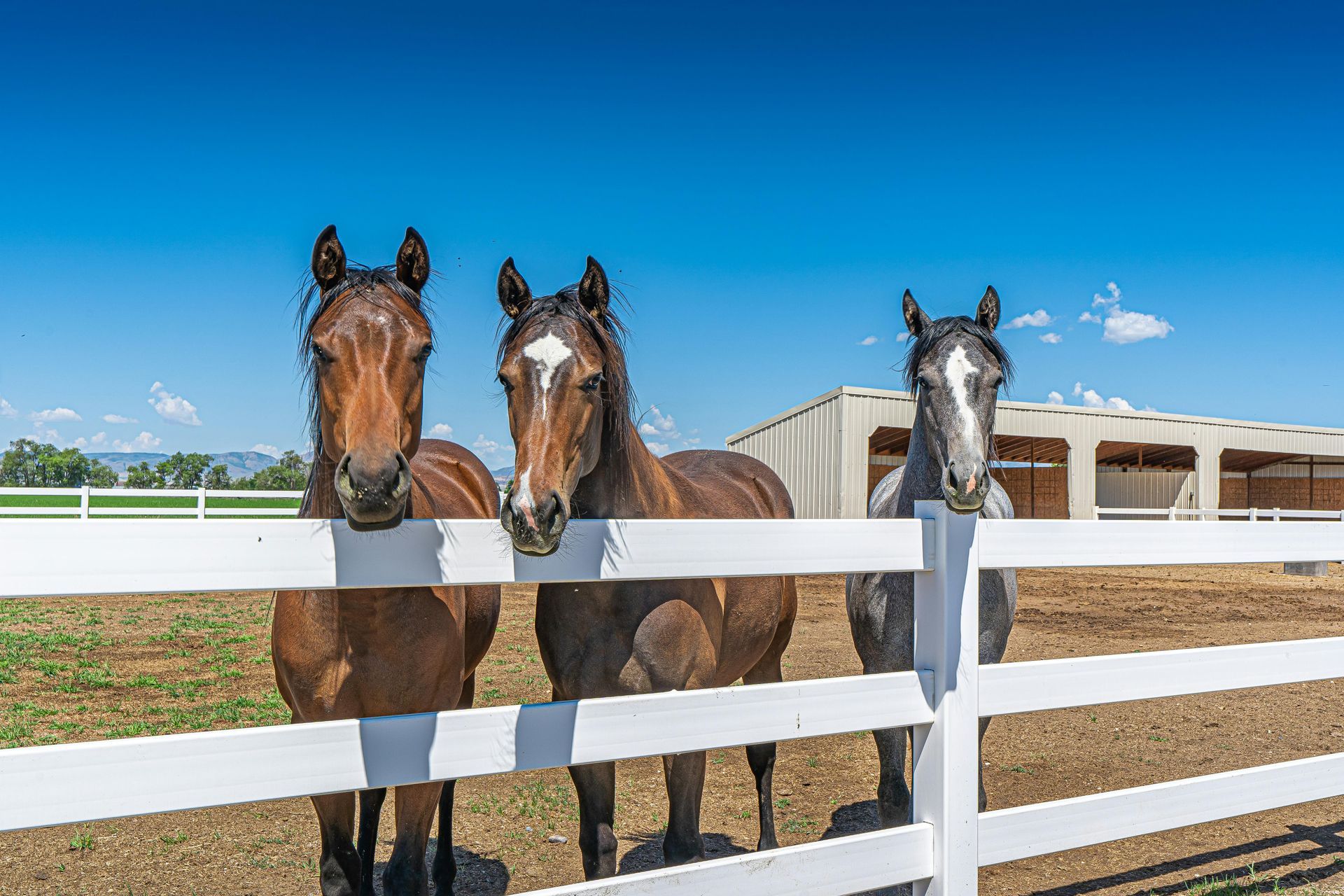
You get a fencing system that prioritizes animal safety and property containment over appearance alone, with materials and construction methods that account for how horses behave. COMMON FENCE FENCING CO uses smooth rail profiles, rounded corners, and fasteners that sit flush or countersunk to eliminate snag points. Posts are treated to resist moisture and insect damage, and rail spacing is calculated to prevent legs or heads from getting caught between boards.
After installation, you will notice that your horses stay within their designated areas without testing weak points or injuring themselves on the fence line. The fencing remains visible in low light, which helps both you and your animals avoid accidental collisions, and the structure tolerates leaning, scratching, and rubbing without shifting or splintering. Horse fencing also allows you to subdivide pastures or rotate grazing areas by adding gates or temporary sections without rebuilding the entire perimeter.
The system does not include grading, water line installation, or shelter construction, and it assumes your property has reasonably level terrain or gentle slopes. If your land includes steep grades, rocky soil, or existing trees along the fence line, those features affect post placement and material choice. COMMON FENCE FENCING CO evaluates your site conditions and recommends configurations that fit your pasture layout and herd size.
What Residential Horse Fencing Delivers for Your Property
Common Questions About Residential Horse Fencing Installation
These are the questions horse owners ask most often when planning a fencing project.
What fence height is appropriate for horses?
Most horse fencing stands between four and five feet tall, with taller installations used for stallions or horses known to jump, and height adjusted based on breed and temperament.
How is wood post-and-rail fencing made safer for horses?
Rails are attached to the inside of posts so horses cannot push them off, and edges are rounded or chamfered to prevent splinters and reduce injury risk during contact.
When should vinyl ranch rail be chosen over wood?
Vinyl ranch rail requires no painting or staining, resists chewing and moisture damage, and maintains consistent appearance over time, making it a lower-maintenance option for horse owners with limited time.
Why is post spacing tighter for horse fencing than other types?
Closer post spacing prevents rails from bowing or breaking when horses lean or rub against them, and it reduces the chance of a hoof or leg slipping through a gap.
What considerations are specific to horse fencing in Menifee?
The dry climate and temperature swings mean wood needs proper treatment to avoid cracking, and fence lines should account for shade patterns and water access to keep horses comfortable and reduce pressure on certain sections.
COMMON FENCE FENCING CO can visit your property to assess pasture layout, soil conditions, and access points before developing a project plan. Contact them to schedule a site visit and discuss fencing options that meet your horses' needs and your property's characteristics.