
Dog Fencing
Keep Your Dog Safe Without Blocking Your View
COMMON FENCE FENCING CO installs residential dog fencing that secures your property while letting your pet move freely in Menifee & Corona, CA.
COMMON FENCE FENCING CO provides residential dog fencing designed to contain pets while maintaining open sightlines and property appeal. You need this when your dog needs outdoor time but standard barriers are too restrictive, too visible, or fail to address breed-specific behaviors like digging or jumping. The work involves setting posts at calculated intervals, tensioning wire or mesh at heights that match your dog's size and behavior, and reinforcing areas where animals typically test boundaries.
This service addresses situations where invisible fencing is insufficient or where aesthetic concerns make full privacy fencing impractical. If your yard slopes or includes landscaping features, the fence line adapts to terrain without gaps at ground level. Posts are embedded below the frost line and backfilled with tamped soil or concrete depending on soil composition and the force your dog exerts during regular activity.
If your dog currently jumps chain-link or squeezes through gaps in older fencing, schedule an evaluation to review layout options and height requirements for your property in Menifee or Corona, CA.
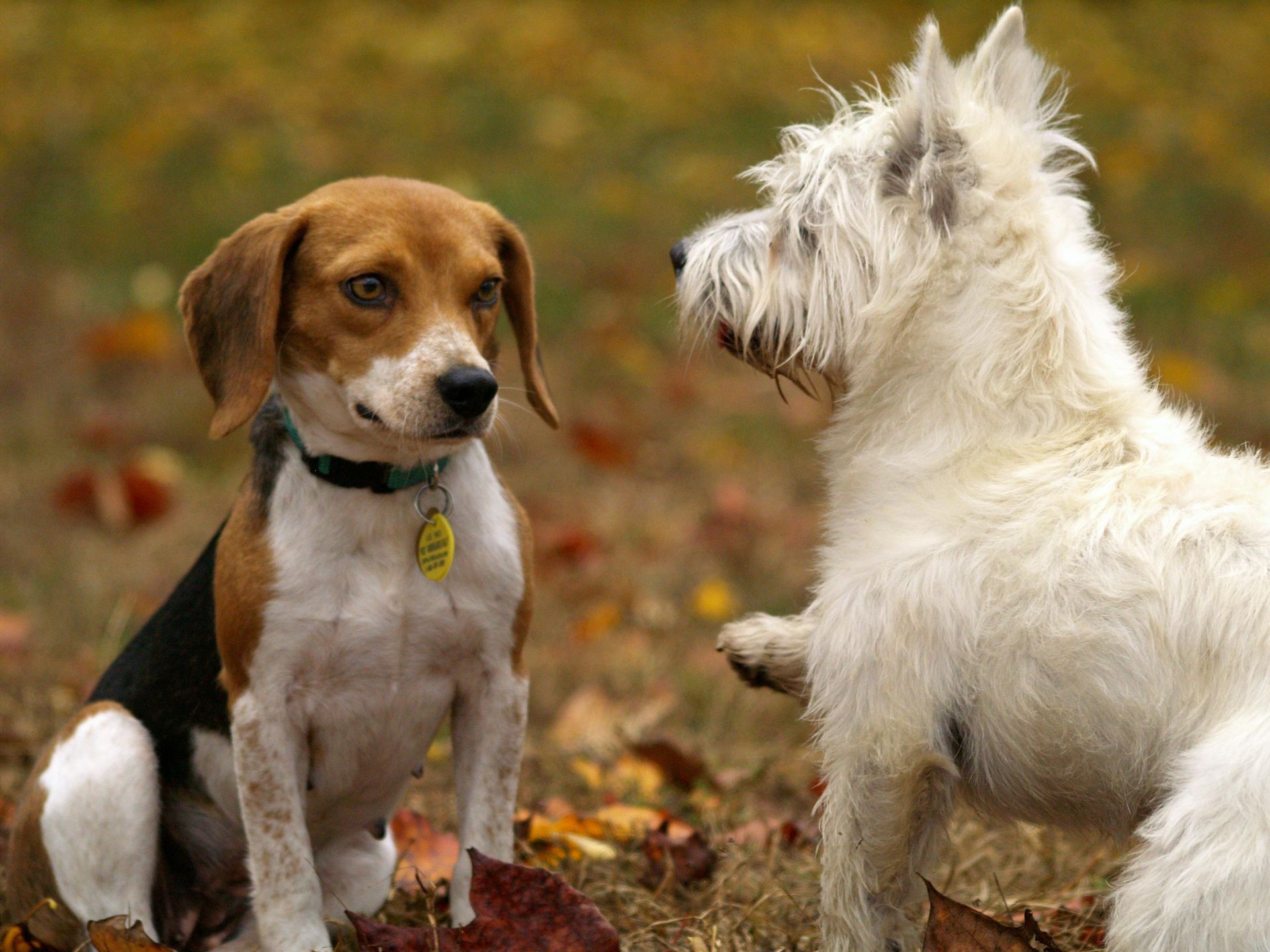
You will notice that your dog can see through the fence to monitor movement outside the yard while remaining unable to push through or climb over. The fencing uses welded wire mesh or coated chain-link with openings small enough to prevent paw entrapment but large enough to preserve visibility. Posts are set in augered holes, and tension bars run along the bottom to eliminate lifting or burrowing at grade level.
After installation by COMMON FENCE FENCING CO, gates latch securely with hardware rated for repeated operation, and corners include diagonal bracing to prevent racking when the fence absorbs impact. You will also see that the fence line follows property boundaries without encroaching on setback requirements, and any gates align with walkways or service access points you use regularly.
The system does not include training collars, underground wiring, or automated gates. If your dog is a digger, an additional apron of mesh can be installed horizontally at ground level and covered with soil or mulch. If the fence must span uneven ground, posts are stepped rather than angled to maintain consistent mesh tension.
What Changes After Dog Fencing Is Installed
Questions Homeowners Ask About Dog Fencing
These are the most common concerns when planning a dog fence installation.
What height is necessary for a dog that jumps?
Most installations use four-foot fencing for small to medium dogs and six-foot for larger or athletic breeds. The top rail is capped to prevent paw injuries during attempted jumps.
How is the fence secured at the bottom?
A tension wire runs through the bottom of the mesh and attaches to each post. For persistent diggers, an L-shaped footer extends twelve inches into the ground or lies flat beneath the surface.
When does the fence need maintenance?
Coated wire resists rust and requires only occasional rinsing. Wooden posts may need sealing every few years depending on exposure to irrigation or runoff common in Menifee yards.
Why not use invisible fencing instead?
Physical barriers work for all temperaments and do not rely on collar batteries or training consistency. They also prevent other animals from entering your yard.
What happens if the fence crosses a slope?
Posts are set vertically and the mesh is cut to follow the grade, or the fence is stepped in sections. Both methods prevent gaps large enough for a dog to slip through.
COMMON FENCE FENCING CO works with homeowners in Menifee and Corona, CA, to match fencing to specific dog behavior and yard layout. Contact the team to review your property and discuss post spacing, mesh gauge, and gate placement before installation begins.